The Lakers Are Worth $12.5 Billion. Why Are Sports Teams Getting So Expensive?
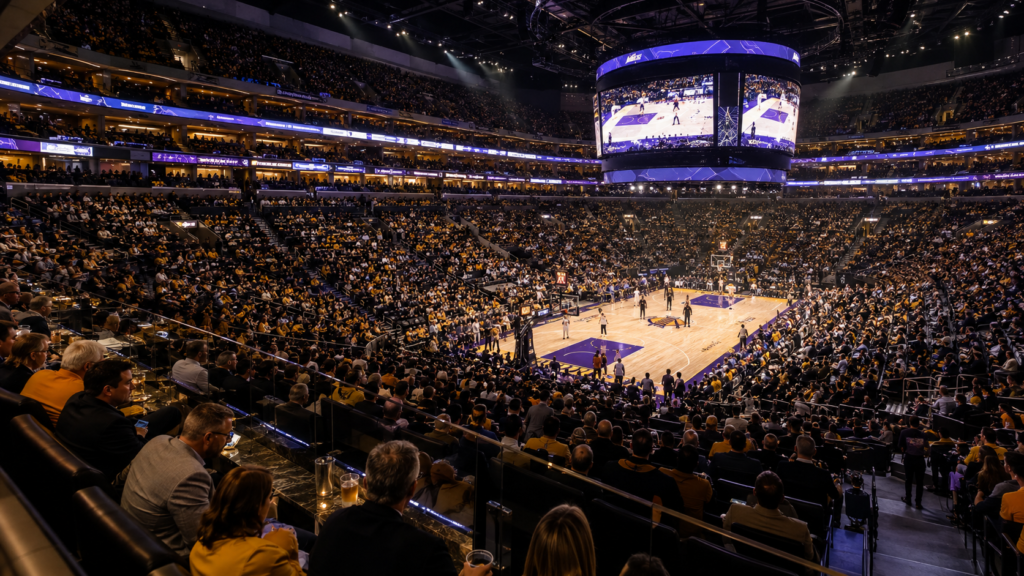
The Los Angeles Lakers have just been valued at $12.5 billion.
That alone is remarkable. But the timing makes it even more interesting. Only about a year ago, Mark Walter agreed to buy a controlling stake in the Lakers at a $10 billion valuation. Now Josh Kushner and former Disney CEO Bob Iger have agreed to buy the team at an even higher price, setting another record for a U.S. professional sports franchise.
The Lakers are not the only team entering territory that once seemed impossible. Forbes estimated the Golden State Warriors at $11 billion in 2025, while the average NBA franchise was already worth about $5.4 billion.
So why are investors suddenly willing to pay technology-company prices for sports teams?
The obvious answers are media rights, sponsorships and ticket sales. But those only explain part of the story. The bigger change is that elite sports franchises are increasingly being valued not simply as teams, but as scarce global assets that sit at the intersection of media, entertainment, real estate and intellectual property.
1. The Lakers Are Expensive Because There Is Only One Lakers
The simplest explanation for rising sports valuations is also one of the most important: supply barely changes.
There are only 30 NBA franchises. Unlike most industries, a wealthy investor cannot simply create a new competitor whenever valuations become attractive. League expansion is tightly controlled, and iconic teams can remain unavailable for decades.
At the same time, the number of buyers has grown.
Private equity firms, institutional investors, sovereign wealth funds and ultra-high-net-worth individuals have all moved further into sports. PwC notes that several leagues have opened ownership to broader pools of capital while the number of franchises available for purchase remains relatively fixed. More money is therefore competing for essentially the same limited inventory.
The Lakers amplify that scarcity.
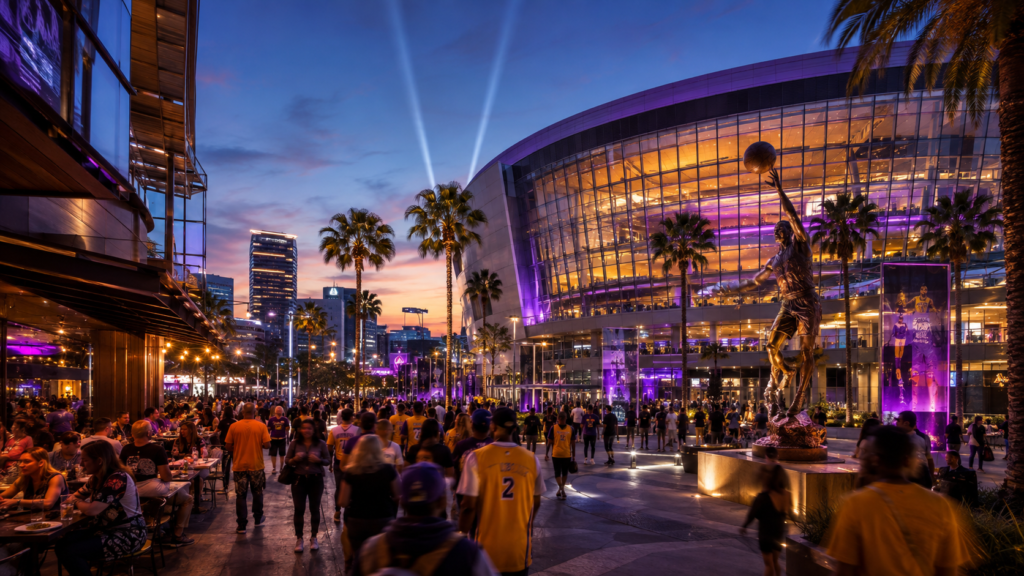
They are not just one of 30 NBA teams. They are a 17-time champion located in Los Angeles, one of the world’s largest entertainment markets, with decades of cultural relevance and a global fan base. AP describes the Lakers as one of the most iconic sports franchises in the world and notes that the team consistently ranks near the top of NBA merchandise sales.
That helps explain why conventional financial metrics start to look strange.
Forbes previously estimated that the Lakers’ $10 billion valuation represented roughly 18 times annual revenue, a multiple that one league insider compared more closely with old-school software valuations than with a mature sports business.
In other words, buyers are not only paying for current cash flow.
They are paying for the rarity of ever getting another chance to own the Lakers.
2. A Sports Team Is Becoming Much More Than a Sports Team
The second reason is that the economics surrounding a franchise have expanded.
Traditionally, a team made money through tickets, broadcasting, sponsorships and merchandise. Those businesses still matter, but modern sports ownership increasingly reaches far beyond game day.
Media is the clearest example. Streaming platforms and broadcasters continue to compete aggressively for live sports because live games remain unusually effective at bringing large audiences together at the same time. PwC estimates that U.S. sports streaming audiences have grown sharply, while major leagues continue to lock in multiyear media deals that provide relatively predictable revenue.
But the bigger opportunity is what gets built around those rights.
Sports ownership groups are increasingly combining franchises with stadium development, hospitality, direct-to-consumer streaming, fan data, sponsorship platforms and year-round entertainment. PwC describes this shift as sports organizations becoming more platform-driven businesses with direct relationships to fans across ticketing, streaming and digital engagement.
The Miami Dolphins offer a good example of where this can go. Modern sports ownership increasingly includes not just the team, but the stadium and surrounding entertainment assets.
That changes the valuation logic.
An investor buying the Lakers is not simply buying 82 regular-season basketball games.
They are buying one of the world’s best-known sports brands, access to an enormous fan base and decades of future opportunities to monetize that attention across media, sponsorship, merchandise, events and whatever distribution platforms come next.
At that point, the team begins to look less like a traditional operating company and more like premium intellectual property with a live event attached to it.
3. Sports May Be Becoming More Valuable Because Everything Else Is Easier to Replicate
There is another reason sports valuations may continue rising, and it has relatively little to do with basketball itself.
AI is making digital production cheaper.
Text, images, music, video and software can all be produced faster and at lower cost than before. As the supply of digital content increases, genuinely scarce experiences may become relatively more valuable.
Live sports are one of them.
Nobody knows how a Lakers game will end before it happens. Fans care because the event is happening now, the result matters, and millions of other people are watching the same thing at the same moment.
That combination is difficult to manufacture.
Mary Callahan Erdoes, head of JPMorgan Chase’s asset and wealth management division, recently described sports as the “antithesis of AI,” arguing that increased AI adoption could actually strengthen demand for live events and contribute to higher franchise valuations.
The argument is worth taking seriously.
The more abundant synthetic content becomes, the more valuable authentic scarcity may become.
That could help explain why sports teams increasingly resemble what investors sometimes call trophy assets: properties whose value comes not just from their financial returns but from scarcity, status and cultural importance.
It also explains why simply comparing franchise valuations with current profits can be misleading.
A team such as the Lakers may generate less cash relative to its valuation than a conventional business, but there are almost no substitute assets with the same combination of cultural relevance, global audience and long-term scarcity.
$12.5 Billion May Not Be as Crazy as It Sounds
None of this means every sports team is worth any price.
At some point, valuations can detach too far from the underlying economics. Media consumption can change, operating costs can rise and future buyers may not be willing to pay increasingly higher multiples forever.
The Lakers’ latest deal also still requires NBA approval, and the ownership situation has become more complicated because Jeanie Buss is contesting a proposed sale of the Buss family’s remaining minority stake.
But the broader trend is difficult to ignore.
The Lakers were valued at $10 billion roughly a year ago. Now the latest transaction places them at $12.5 billion. The Warriors were already estimated at $11 billion. Institutional capital continues entering sports, while teams increasingly control valuable combinations of media rights, brands, venues and direct fan relationships.
That suggests sports franchise valuations are being driven by more than revenue growth.
Investors are increasingly paying for scarcity itself.
There may be thousands of valuable technology companies, media businesses and consumer brands created over the next decade.
There will still be only one Lakers.
And in a world where almost everything else is becoming easier to reproduce, that may be exactly why a basketball team can now be worth $12.5 billion.